
U.S. Imposes Sanctions on Iranian Maritime Firms for Bitcoin Transactions
U.S. Imposes Sanctions on Iranian Maritime Firms for Bitcoin Transactions
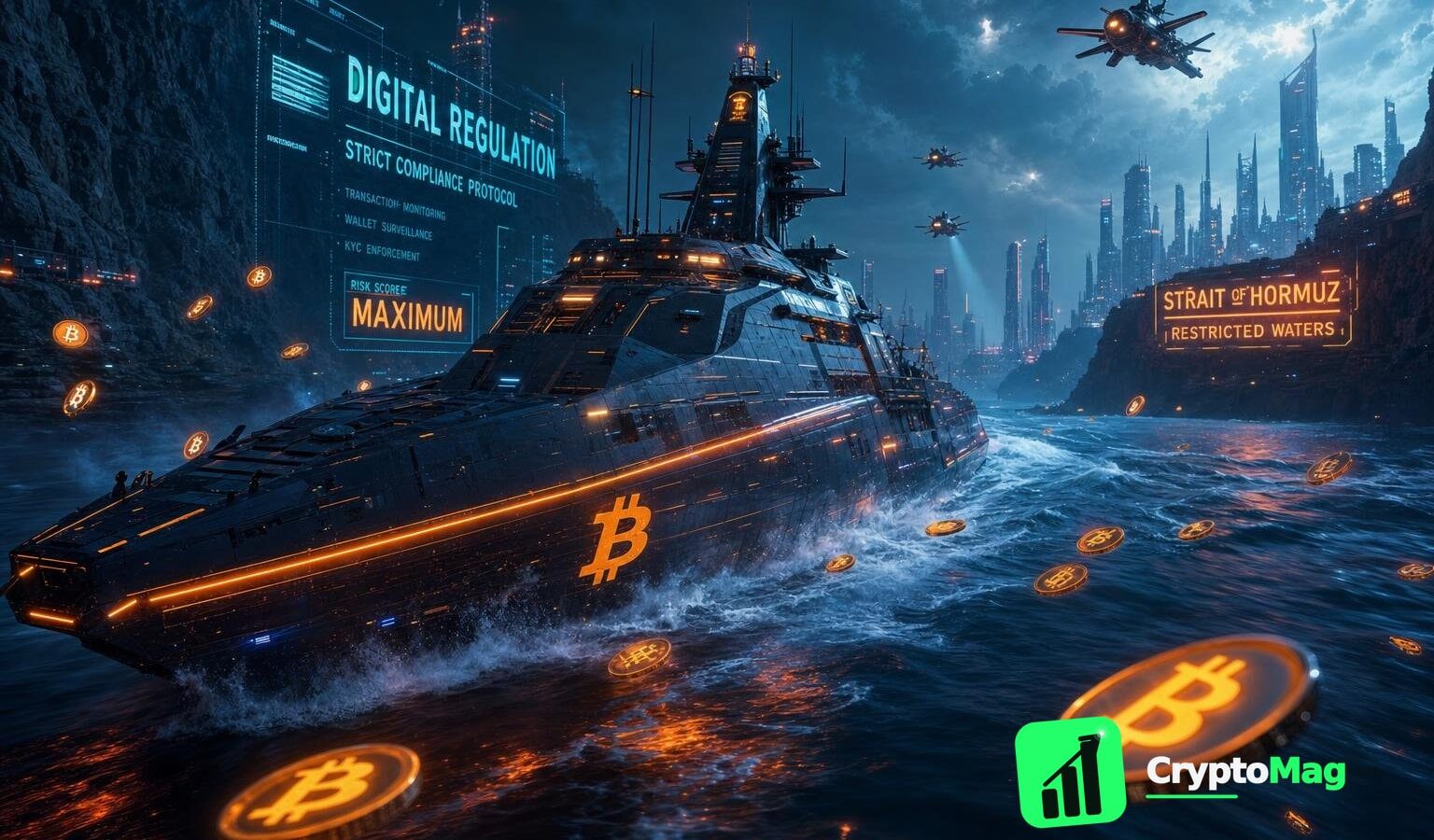
On July 29, 2026, the U.S. Treasury sanctioned two Iranian maritime insurance companies, alleging their involvement in an Islamic Revolutionary Guard Corps (IRGC) system that gathers revenue from vessels traversing the Strait of Hormuz.
Details of the Sanction
The sanctioned companies, HormuzSafe Marine Services Authority and Persian Gulf Marine Insurance Company, were added to the Specially Designated Nationals list under Executive Order 13902, which targets entities operating in Iran’s financial sector. The Treasury alleges that HormuzSafe utilized Bitcoin to circumvent Western sanctions.
The announcement from the Office of Foreign Assets Control (OFAC) described HormuzSafe as part of an “IRGC-backed extortion scheme,” requiring commercial vessels to purchase specific maritime insurance before navigating the strait.
Allegations of Revenue Generation
According to the Treasury, HormuzSafe, developed by Iran’s Ministry of Economy, accepts payment in Bitcoin and other digital assets, thereby generating revenue for the IRGC and facilitating tighter control over regional shipping activities. Despite these claims, the Treasury publication did not disclose specific Bitcoin addresses, transaction hashes, payment amounts, or customer identities, omitting concrete on-chain evidence of any Bitcoin transactions.
Previously, HormuzSafe had promoted its services citing plans for significant financial projections, claiming it could generate upwards of $10 billion annually. However, this figure remains a projection without substantiated records of revenue from Bitcoin payments.
Further Sanctions in the Petroleum Sector
In addition to the maritime insurance firms, eight other shipping companies involved in transporting Iranian petroleum were also sanctioned by the OFAC. These companies, registered in locations including China, Hong Kong, and the Marshall Islands, had connections to vessels allegedly transporting Iranian oil. Specific tankers, such as Well Sail and Breeze V, were listed as blocked property.
The Strait of Hormuz is a critical energy shipping route, with U.S. Energy Information Administration data indicating that it accounts for a significant portion of global seaborne oil trade.
Impact of the Sanctions
Any assets owned by the sanctioned firms entering U.S. jurisdiction are required to be blocked and reported to OFAC. Entities owned 50% or more by the designated companies also face restrictions. U.S. persons are generally prohibited from providing any economic benefits to these firms, while non-U.S. financial institutions could be subject to scrutiny if they engage with these blocked parties.
This sanctioning action does not entail immediate cryptocurrency seizures or criminal charges, requiring potential further legal steps for any asset recovery or prosecution related to HormuzSafe’s operations.
Source: crypto.news

BTC / ZAR
R1,411,625.82
-0.23% 24h
- 24h High
- R1,447,590.00
- 24h Low
- R1,380,904.50
- Market Cap
- R28.37T
- Volume 24H
- R1.25T
7-day price
Powered By