

Understanding Telegram Trading Bots: Unibot, Banana Gun, and Their Functionality
Understanding Telegram Trading Bots: Unibot, Banana Gun, and Their Functionality
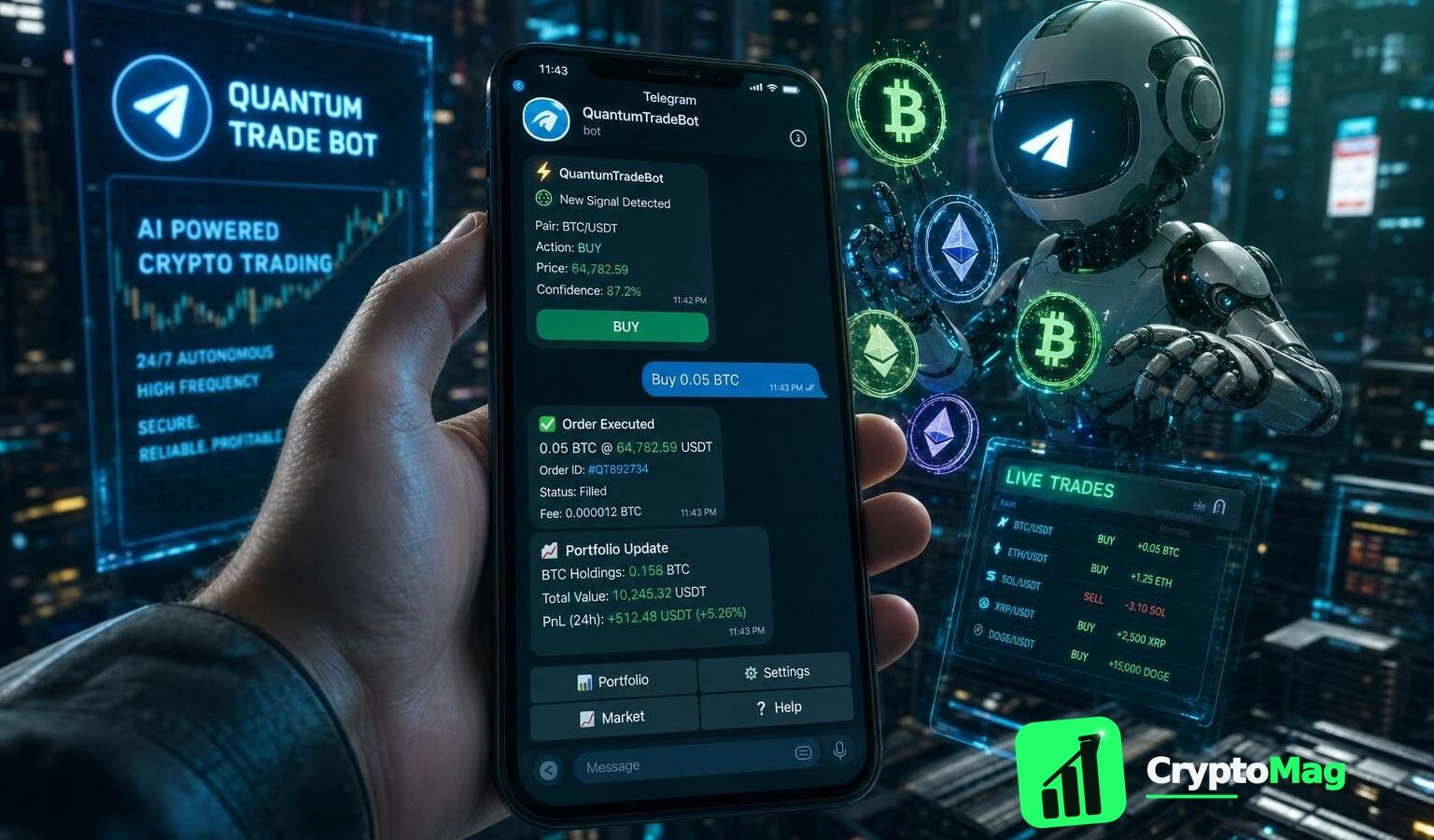
Telegram trading bots have revolutionized the way users engage with decentralized exchanges (DEX) by enabling them to buy and sell tokens directly from a chat interface. These automated tools emerged primarily in 2023, designed to address a significant challenge in decentralized finance: the speed at which trading opportunities arise compared to human execution times.
How Telegram Trading Bots Operate
At their core, Telegram trading bots are programs that run on servers and interact with blockchain networks via the Telegram Bot API. When a user initiates a bot, it generates a cryptocurrency wallet assigned to their Telegram account. Users fund this wallet by sending tokens to the provided address, after which they can execute trades via commands sent through Telegram.
The mechanics are straightforward. For a buy order, the user submits a token contract address and specifies the amount. The bot constructs a swap transaction, signs it using the user’s private key, and broadcasts it to the network. This transaction process is typically completed swiftly – taking one to three seconds on Solana and three to ten seconds on Ethereum, depending on network congestion.
Leading Telegram Trading Bots
Several Telegram trading bots dominate the market, each offering distinct features:
- Banana Gun: As the highest-volume trading bot, it operates across Ethereum, Solana, Base, and Blast. Known for its rapid sniping capabilities, Banana Gun charges a fee of 0.5% on manual trades and 1% for snipes. It has reported over $8 billion in cumulative trading volume within its first year.
- Maestro: This bot was one of the pioneers in the Telegram space and offers functionalities like limit orders and copy trading, alongside features designed to detect and prevent liquidity removal scams.
- Unibot: Launched in mid-2023, Unibot is notable for its revenue-sharing model, distributing a percentage of fees to token holders. It primarily operates on Ethereum.
- BONKbot: Focused on the Solana network, this bot is favored for low transaction costs, making it ideal for executing multiple small trades.
- Trojan: Positioned as a competitor to BONKbot on Solana, Trojan features a user-friendly interface and options for dollar-cost averaging and multi-wallet management.
Costs Associated with Telegram Trading Bots
The total cost of using a Telegram trading bot encompasses the bot fee, the DEX swap fee, and the blockchain gas fee. The bot fee generally falls between 0.5% and 1% of the trade value.
For example, on Ethereum, a $1,000 trade using a Telegram bot incurs a total fee between $18 and $23, factoring in the bot fee, DEX fee, and gas costs. Conversely, on Solana, the same trade might only cost around $12.51, reflecting Solana’s significantly lower gas fees.
Risks of Using Telegram Trading Bots
One critical risk of utilizing Telegram trading bots is their custody model. When a wallet is created, the bot retains the private keys, compromising the self-custody ethos central to decentralized finance. If the bot’s servers are breached, users’ funds could be jeopardized.
Past incidents, such as an exploit related to Maestro that resulted in significant user losses, demonstrate this concentrated risk. Users are advised to treat Telegram bot wallets as hot wallets, only transferring funds necessary for immediate trading and regularly transferring profits to more secure storage options.
Conclusion
While Telegram trading bots like Unibot and Banana Gun offer unique conveniences and innovative trading methods, users must be acutely aware of the associated risks, especially concerning fund custody and transaction costs. Adopting prudent practices can help mitigate these risks while benefiting from the speed and efficiency these bots provide.
Source: crypto.news

ETH / ZAR
R44,550.08
+0.00% 24h
- 24h High
- R46,389.49
- 24h Low
- R43,111.79
- Market Cap
- R5.37T
- Volume 24H
- R607.98B
7-day price
Powered By