

Understanding Perpetual Futures: Insights from Crypto Traders
The Rise of Perpetual Futures in Crypto Trading
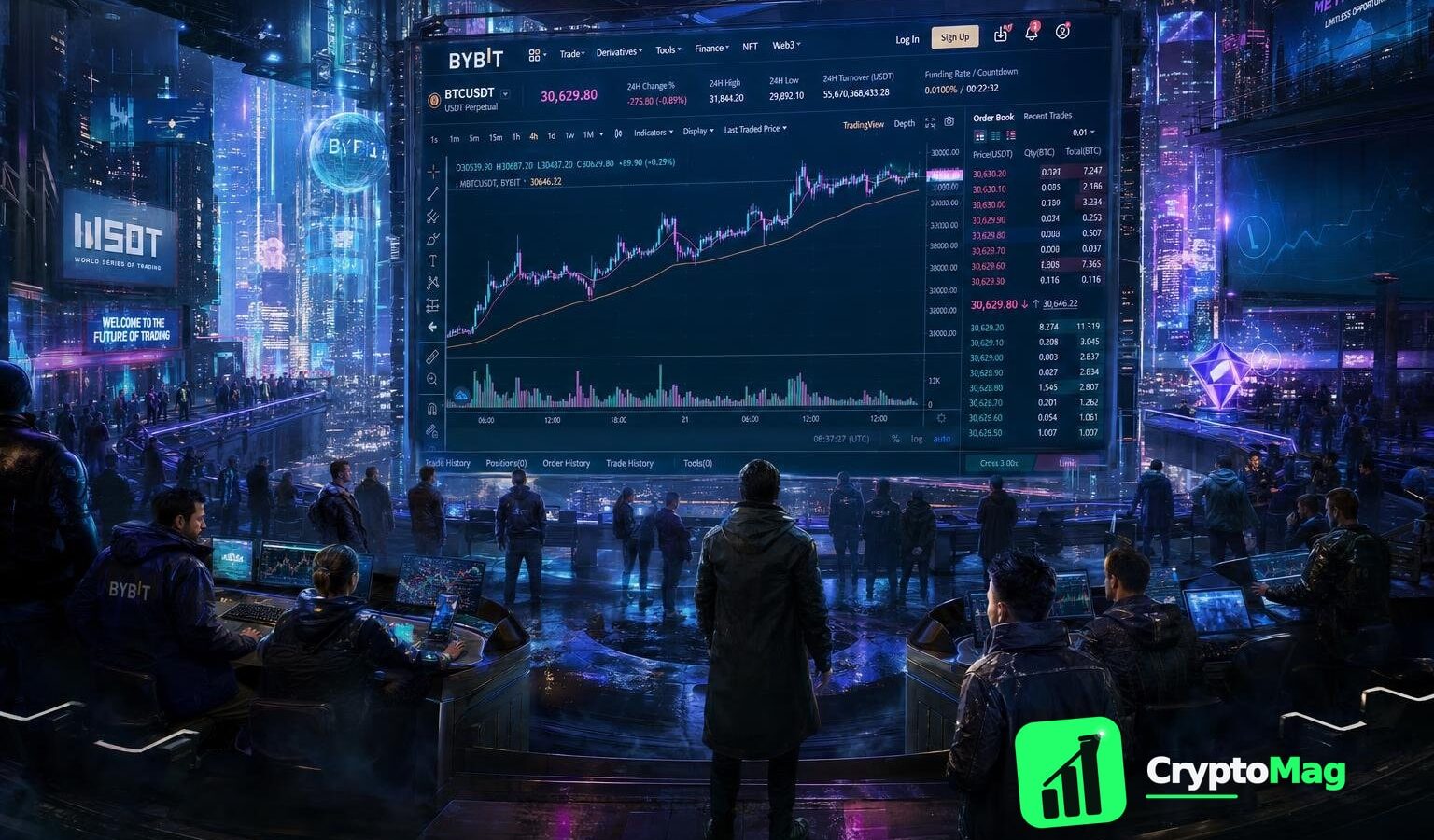
In the evolving landscape of crypto trading, traders increasingly turn their focus to perpetual futures, commonly referred to as “perps.” These derivatives contracts allow traders to control larger positions than their account balance would typically permit and come with a significant advantage: no expiry date. This flexibility has made perps especially relevant for altcoin traders, who often find spot and dated futures markets inadequately liquid.
Why Traders Prefer Perpetual Futures
The necessity of perpetual futures in the crypto trading ecosystem is underscored by their staggering average daily volume of over $200 billion. Lucas Krenn, a derivatives trader, emphasizes that for many firms, perps are foundational to their trading strategies. He notes that, outside of Bitcoin and Ethereum, traditional futures contracts are often too illiquid to use effectively.
Perps deliver deep liquidity, competitive trading fees, and high margin efficiency, allowing traders to maximize their exposure relative to their collateral. Kenneth Ong, another trader, highlights that this high margin efficiency, coupled with better fills (the execution prices of trades), makes perps an appealing choice over traditional trading options.
The Mechanics of Perpetual Futures
The operational strength of perps lies in their continuous trading model, which has shifted the landscape of price discovery. Ong recalls significant price movements during geopolitical events, noting how perps reacted to market changes when traditional markets were closed. This responsiveness supports trading strategies without the need to wait for market openings.
Concerns Over Funding Rates
Despite their advantages, perpetual futures are not without challenges. A recurring concern among traders is the impact of funding rates – an ongoing cost incurred for maintaining open positions. This fee fluctuates and can escalate significantly, potentially turning profitable trades into losses if held for extended periods. Ong stresses the importance of understanding these rates and their long-term implications on profitability.
Liquidations and Market Mechanics
Traders are also wary of liquidations – a forced closure of positions that can occur due to margin shortages. However, Krenn asserts that the true issues lie in the underlying market mechanics rather than the instrument of perps themselves. He argues that both dated futures and perps are subject to similar risks in poorly designed exchange margin models.
The Asymmetry of Risks in Perpetual Futures
Krenn offers an insightful perspective on the risks involved with perpetual trading, suggesting that long positions are inherently safer. He explains that while positive funding rates can be easily managed, negative rates present unique challenges. This imbalance can create extensive costs for short positions if arbitrage opportunities are limited due to the availability of the underlying asset.
Conclusion: A Double-Edged Sword
Perpetual futures have democratized access to futures trading by addressing issues of cost and margin efficiency, yet they come with specific risks, particularly concerning volatile funding rates that are difficult to gauge beforehand. As Krenn succinctly puts it, until there is a reliable pricing mechanism for interest rate exposure in crypto, traders will continue to navigate these waters cautiously.
Source: coindesk.com

BTC / ZAR
R1,411,625.82
-0.23% 24h
- 24h High
- R1,447,590.00
- 24h Low
- R1,380,904.50
- Market Cap
- R28.37T
- Volume 24H
- R1.27T
7-day price
Powered By