

Trump Initiates New Crackdown on Chinese AI Following Kimi K3’s Success
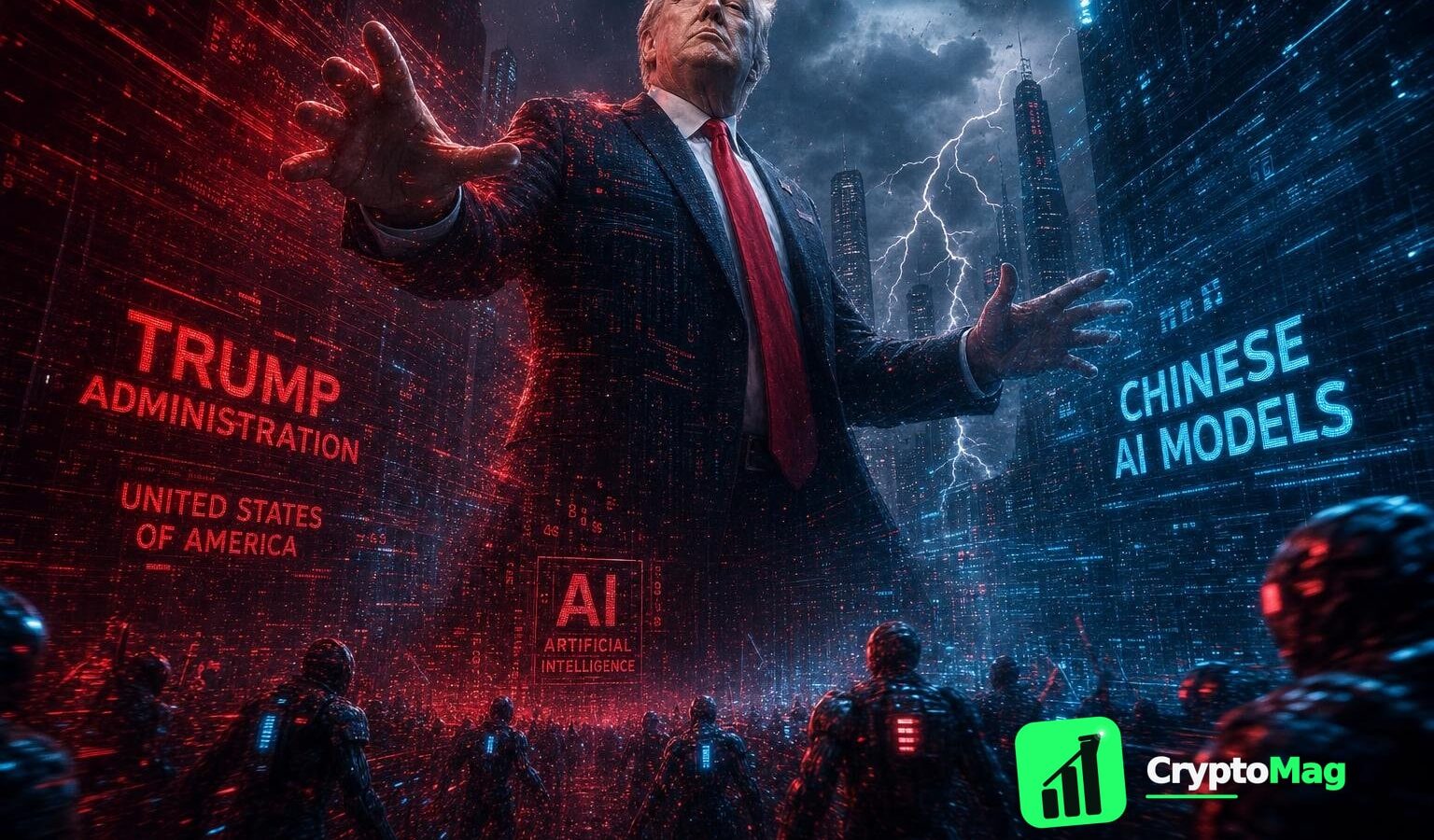
The Trump administration is reportedly reassessing its approach to Chinese artificial intelligence (AI) models in light of Moonshot AI’s Kimi K3, which recently achieved a significant milestone by topping a major coding leaderboard. This development has amplified interest from companies within the United States, prompting officials to discuss potential limitations on foreign open-source AI models.
Heightened Scrutiny of Chinese AI Models
According to recent reports, as Kimi K3 gains notable traction among developers, segments of the Trump administration are considering reimposing restrictions on Chinese AI technologies. The coding performance of Kimi K3 has provoked discussions about adding various Chinese AI laboratories to the Commerce Department’s Entity List, a designation that would limit their access to U.S. technology.
While the report from Axios does not mention any formal ban or a definitive policy under consideration, it highlights a growing concern among American officials regarding the competitive performance of Chinese systems, particularly in the context of more affordable solutions compared to domestic counterparts. The ability of open-weight models, like Kimi K3, to allow users to download and operate them on private servers poses additional regulatory challenges.
Implications of Kimi K3’s Performance
Moonshot AI is scheduled to release Kimi K3’s full model weights by July 27, which could complicate enforcement of any significant U.S. restrictions. Currently, the demand for Kimi K3 has tested Moonshot’s capabilities, resulting in the company temporarily halting new subscriptions to focus on existing customers, as reported by Reuters. The company, which raised over $5.5 billion and is valued at $30 billion, is also contemplating a potential initial public offering in Hong Kong.
National Security Concerns
Kimi K3’s notable ranking has led some experts to express alarm regarding U.S. competitiveness in AI. David Sacks, a former White House official, framed Kimi K3’s results as a warning sign, emphasizing the risks associated with such advancements in China. CIA Director John Ratcliffe has echoed these sentiments, characterizing powerful AI systems as critical to national security and comparing them to “digital nuclear weapons.”
Market Reactions and Predictions
Despite the rising tensions, prediction-market traders appear skeptical about a broad U.S. ban on Chinese AI models. Polymarket traders have assigned a mere 15% chance that federal actions would prevent public access to significant Chinese models before the imminent deadline. This uncertainty reflects a belief that while restrictions may be discussed, the likelihood of substantial action remains low.
As Kimi K3’s open weights become available, developers could increasingly adopt the model, which could shift market dynamics and perceptions regarding potential regulations. Traders also placed a 91% probability that Anthropic will operate the top AI model by the end of August, indicating a level of skepticism about Moonshot’s abilities dominating the field.
Broader Industry Context
The U.S.-China competition in AI is occurring alongside massive investments in the sector, with projections from JPMorgan suggesting AI-related spending could reach $725 billion this year. Binance’s founder, Changpeng Zhao, contrasted this investment boom with Bitcoin’s fixed supply, highlighting different economic roles these technologies play in the financial landscape.
Source: crypto.news