Ethereum’s Ultrasound Money Narrative: Is It Broken by Layer 2 Solutions?
Ethereum’s Ultrasound Money Narrative: Is It Broken by Layer 2 Solutions?
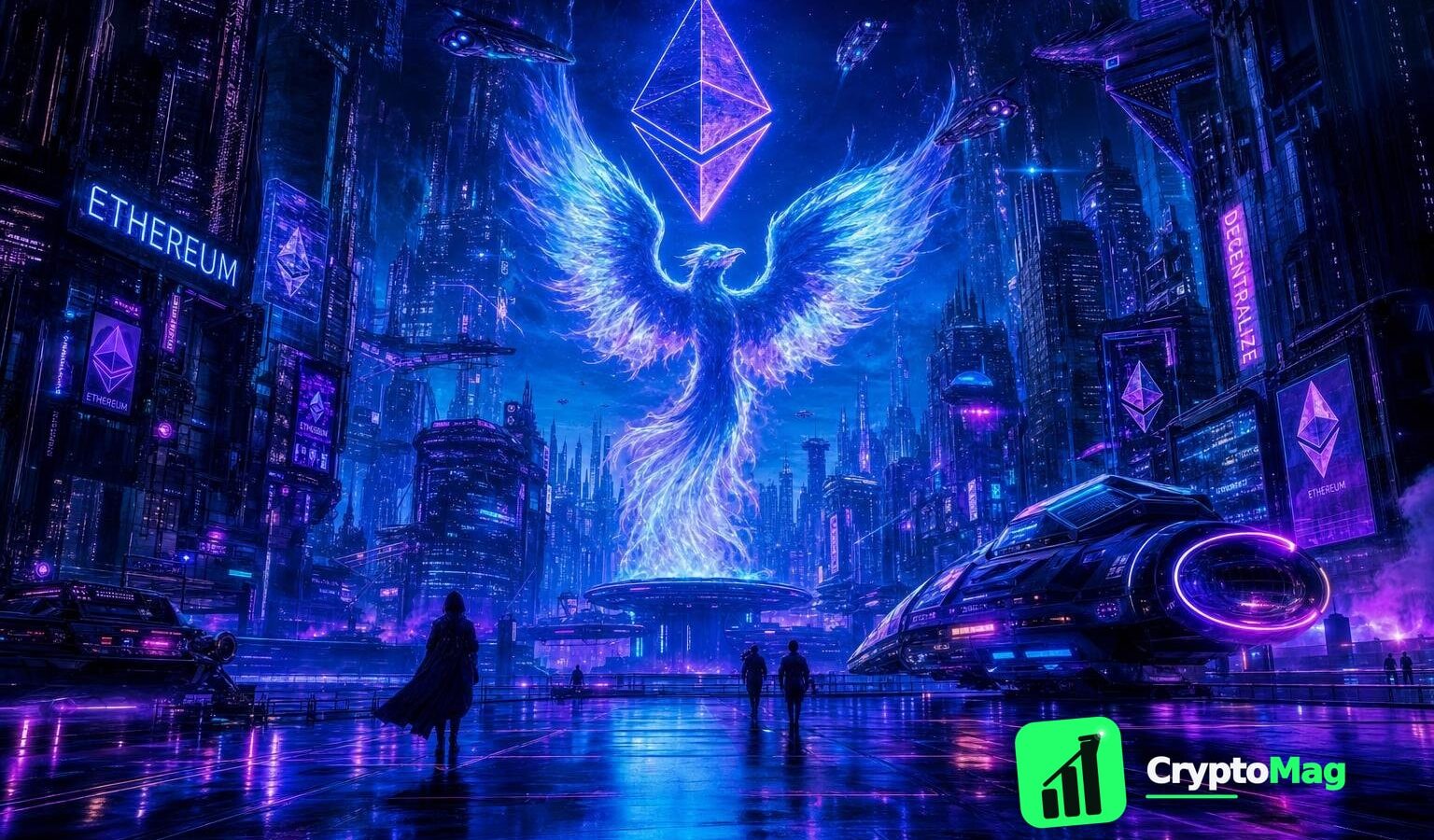
Ethereum has been widely recognized for its unique narrative that every transaction would burn ETH, leading to a decrease in supply and creating what was dubbed “ultrasound money.” However, the emergence of Layer 2 solutions has significantly altered this dynamic, prompting questions about the sustainability of those claims.
The Origins of Ultrasound Money
The theory behind Ethereum’s ultrasound money, which originated with the implementation of EIP-1559, posited that the burning of transaction fees would outstrip new ETH issuance, making ETH a deflationary asset. This narrative gained traction following Ethereum’s switch to proof-of-stake during the Merge in September 2022, which drastically reduced new ETH production by approximately 90%.
Impact of Layer 2 Rollups
The pivotal moment for this narrative came with the March 2024 Dencun upgrade, which introduced EIP-4844, allowing Layer 2 rollups to operate with significantly lower costs. These rollups, such as Arbitrum and Optimism, process transactions cheaply, resulting in a drastic decline in fees paid to Ethereum’s main network.
This shift has led to an alarming drop in ETH burns, from thousands of ETH to figures as low as 50 to 70 per day. With mainnet ETH issuance continuing at around 1,700 ETH per day, Ethereum’s net supply has begun to show inflation, with annual growth rates estimated between 0.2% and 0.8%.
The Challenges Ahead
The success of Ethereum’s scaling approach has created an unintended consequence: as transaction costs on Layer 2s shrink, the base layer’s ability to burn ETH diminishes. This contradiction raises concerns about Ethereum’s narrative of being a scarce asset.
Community Responses and Future Outlook
Supporters of Ethereum argue that the network was never meant to be perpetually deflationary but was designed to adjust burns based on demand. When demand is high, burns can exceed issuance, making ETH deflationary temporarily, while quieter periods lead to slight inflation. Furthermore, the total ETH issued today remains significantly lower than during the proof-of-work era, which proponents claim preserves some aspects of its original value proposition.
Despite this, critics maintain that the decline in ETH’s burning rate undermines its investment narrative. They point to a substantial drop in daily network fee revenue, which fell from around $40 million in early 2025 to about $10 million in 2026. This trend signals concerns over Ethereum’s ability to monetize its users effectively.
Upcoming Upgrades: A Potential Solution?
In December 2025, the Fusaka upgrade was implemented with aspirations to address the burning issues. It included EIP-7918, which aimed to tie the minimum fees paid by rollups to ensure a consistent burn rate, even during lower activity periods. Early modeling suggests that had this been in place since Dencun, the cumulative burn could have seen significant increases.
As Ethereum seeks to balance its growth and the sustainability of its economic model, the upcoming enhancements may offer a pathway toward reclaiming its ultrasound money narrative. Nonetheless, the inherent conflict between efficient scaling and effective value capture continues to challenge this ambitious blockchain network.
Source: crypto.news

ETH / ZAR
R44,458.83
-0.20% 24h
- 24h High
- R46,389.49
- 24h Low
- R43,111.79
- Market Cap
- R5.36T
- Volume 24H
- R613.59B
7-day price
Powered By