EU Prohibits Belarusians from Owning MiCA Regulated Crypto Firms
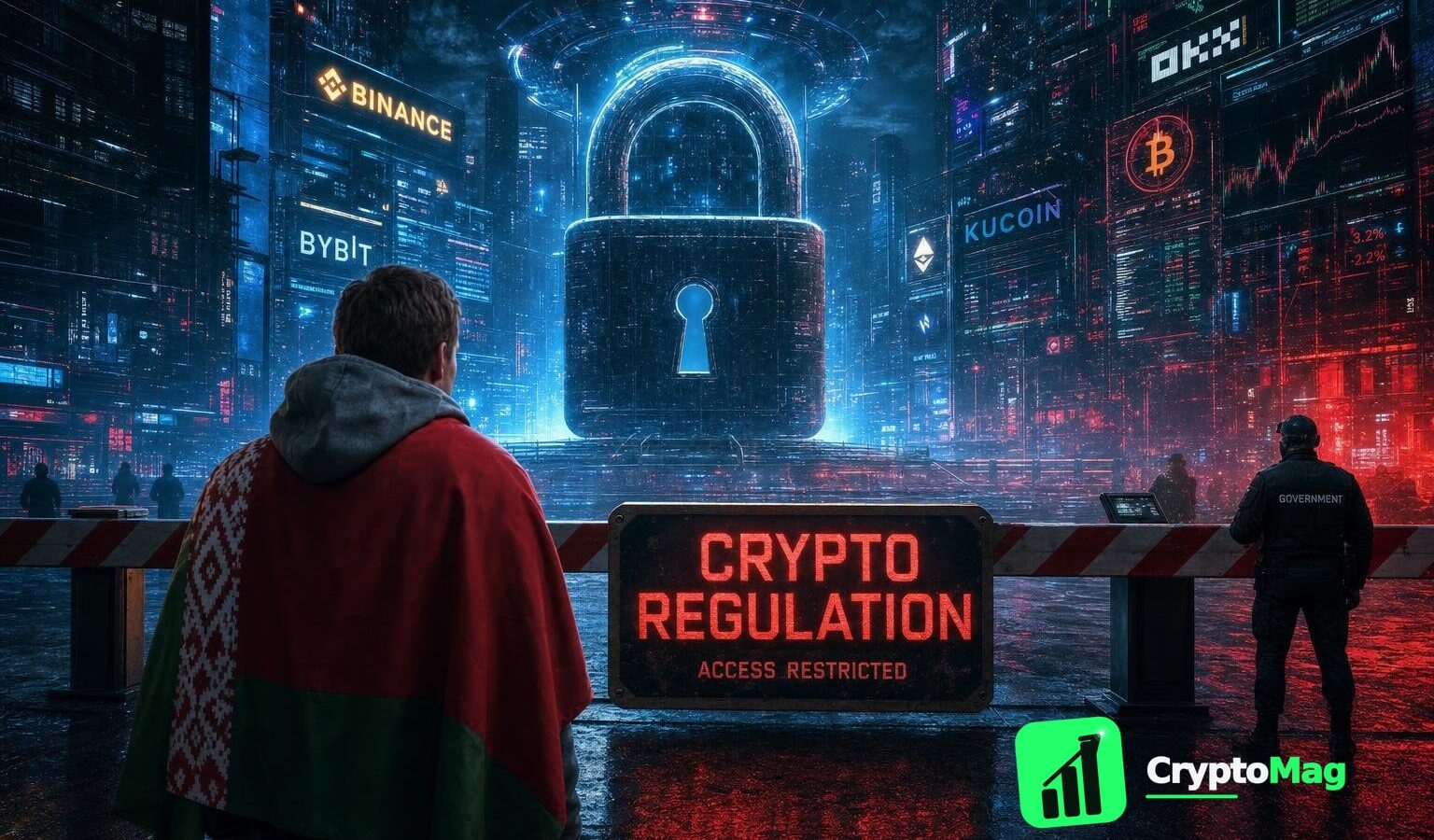
EU Extends Sanctions Against Belarusian Nationals in Crypto Sector
In a significant move to tighten sanctions, the European Union has barred Belarusian nationals and residents from owning, managing, or controlling crypto-asset service providers that fall under the Markets in Crypto-Assets (MiCA) regulation. This decision applies from August 25, following the formal adoption of the measures on July 24.
Scope of the New Restrictions
The latest restrictions expand the EU’s sanctions framework on Belarus, previously limited to crypto wallets and custody services. Now, the ban extends to all categories of crypto-asset services recognized under MiCA, including:
- Operating crypto trading platforms
- Exchanging crypto assets
- Executing and transmitting client orders
- Placing crypto assets
- Providing transfer services
- Offering investment advice
- Managing crypto portfolios
These measures aim to prevent Belarusian individuals from holding positions on the governing boards of EU-based companies offering crypto services.
Context of Sanctions Related to the Ukraine Conflict
This decision aligns with the EU’s ongoing sanctions policy tied to Russia’s aggression in Ukraine. The EU is particularly focused on preventing Belarus from leveraging its crypto infrastructure to evade sanctions or create alternative financial channels. On the same day, the EU also approved its 21st sanctions package against Russia, targeting 14 crypto-related service platforms.
Belarus’s Push for Cryptocurrency Amid Sanctions
Despite the sanctions, Belarus has been actively promoting its domestic cryptocurrency sector. President Alexander Lukashenko has advocated for increased cryptocurrency usage as a means to support the economy under international sanctions. He has described the necessity for digital assets in cross-border payments and internal financial transactions.
Historically, Belarus has allowed cryptocurrency transactions since 2018 through a legal framework established via its Hi-Tech Park. Recently, Lukashenko’s administration has encouraged local crypto exchanges and the development of a state-backed mining industry, demonstrating a commitment to integrating these technologies despite facing external restrictions.
Implications for the Crypto Market
The new regulations are expected to further limit the involvement of Belarusian entities in the EU’s regulated crypto market, complicating their participation even as the country pushes for a robust digital asset framework domestically. As the EU continues to evolve its regulatory approach, it raises questions about the future of crypto operations involving individuals from countries under sanctions.
Source: crypto.news

BTC / ZAR
R1,411,298.96
-0.25% 24h
- 24h High
- R1,437,479.50
- 24h Low
- R1,393,588.25
- Market Cap
- R28.33T
- Volume 24H
- R1.20T
7-day price
Powered By