

Blockchain and Crypto: The Future of AI Commerce
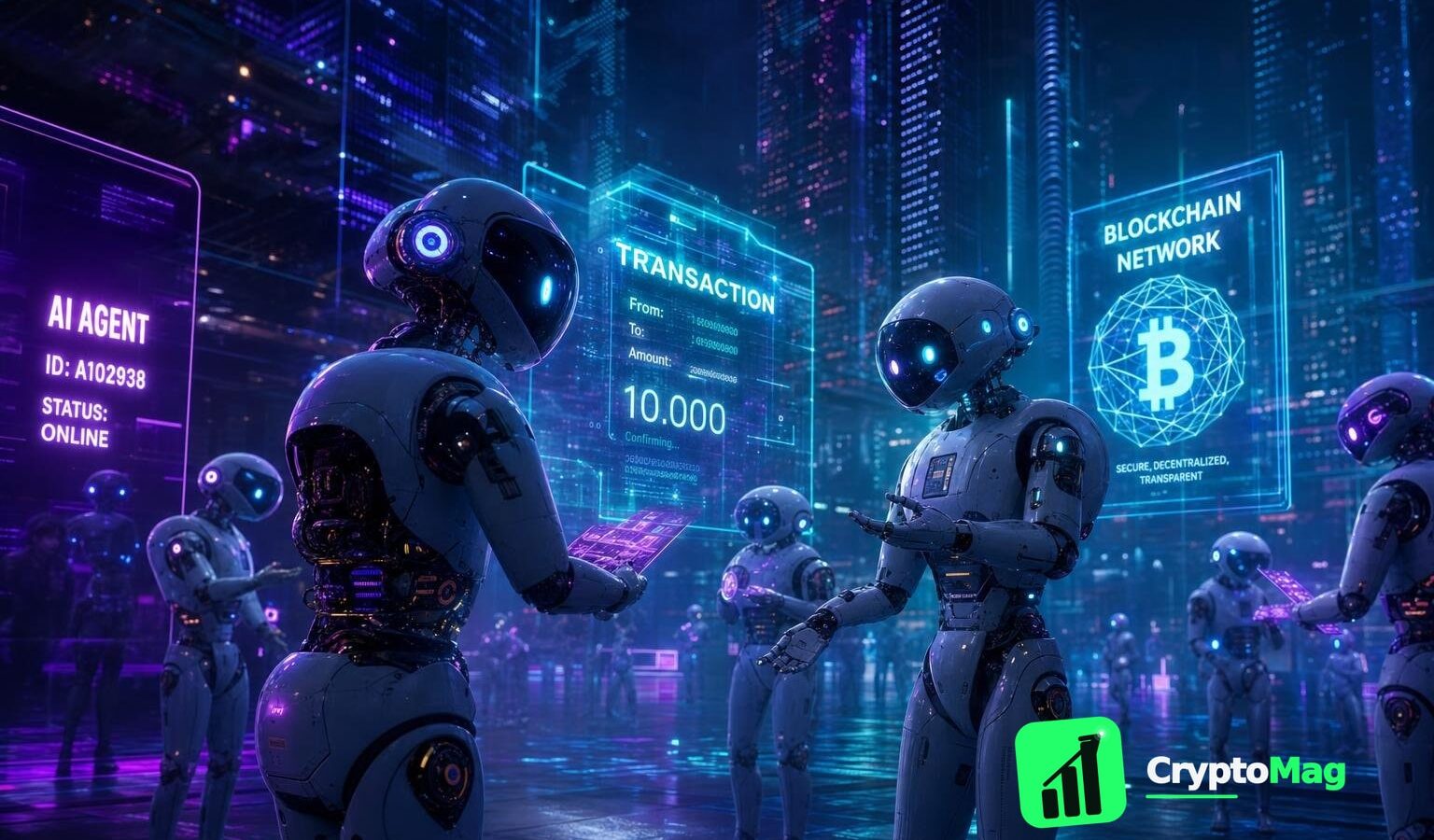
Blockchain and Crypto: The Future of AI Commerce
As autonomous AI agents begin to conduct transactions independently, industry experts are suggesting that blockchain networks and cryptocurrencies may become key players in this evolving landscape. Sandy Kaul, head of digital assets and innovation at Franklin Templeton, emphasizes the potential for blockchain technology to facilitate machine-to-machine commerce in her recent insights.
The Rise of Autonomous AI
With recent advancements, artificial intelligence (AI) isn’t just about creating content but also involves agentic AI, a form designed to perform tasks autonomously with minimal human oversight. This technology enables AI agents to execute various functions, including making purchases, booking travel, and managing software workflows on behalf of users.
Challenges of Traditional Payment Systems
As these agents become more prevalent, Kaul points out that current payment systems may not be adequately equipped to handle the rapid, low-cost transactions typical of AI-driven interactions. For instance, many transactions between AI agents may only involve tiny amounts, such as fees for API usage or micro-payments for computing power.
Blockchain as a Solution
Kaul argues that blockchain technology provides a better framework for managing these types of transactions. She notes that public blockchain networks offer features such as programmable transactions, cryptographic identity, and near-instant settlement. These capabilities can enable AI agents to make direct payments to each other, bypassing traditional financial institutions and their associated fees.
Impact on Investment Strategies
The implications for investors are significant, as current trends predominantly focus on established tech companies involved in AI and cloud services. If AI agents start to represent a meaningful segment of the economy, Kaul suggests that blockchain networks and the cryptocurrencies powering them may provide new avenues for exposure to AI-related growth.
A Unified Technological Shift
Jeremy Allaire, CEO of Circle, supports Kaul’s vision by asserting that AI and blockchain represent a singular technological evolution, rather than two separate domains. He believes that as businesses increasingly leverage AI agents, these entities will operate as economic actors capable of autonomously exchanging value, necessitating robust blockchain infrastructure for transactions.
The Future of Digital Services
According to Allaire, as demands for AI-driven services grow, traditional pricing models may shift towards pay-per-task frameworks where AI agents function both as buyers and sellers. This transformation could lead to the enhanced integration of digital assets, further solidifying the connection between blockchain technology and AI.
Conclusion
With the rapid advancements in AI and the transformative potential of blockchain, investors are encouraged to look beyond traditional technology stocks. The rise of agentic AI suggests a promising future for blockchain networks and cryptocurrencies as they become integral to the next phase of digital commerce.
Source: coindesk.com