Lynq CEO Advocates for Interoperable Settlement Systems in Digital Finance
Lynq CEO Advocates for Interoperable Settlement Systems in Digital Finance
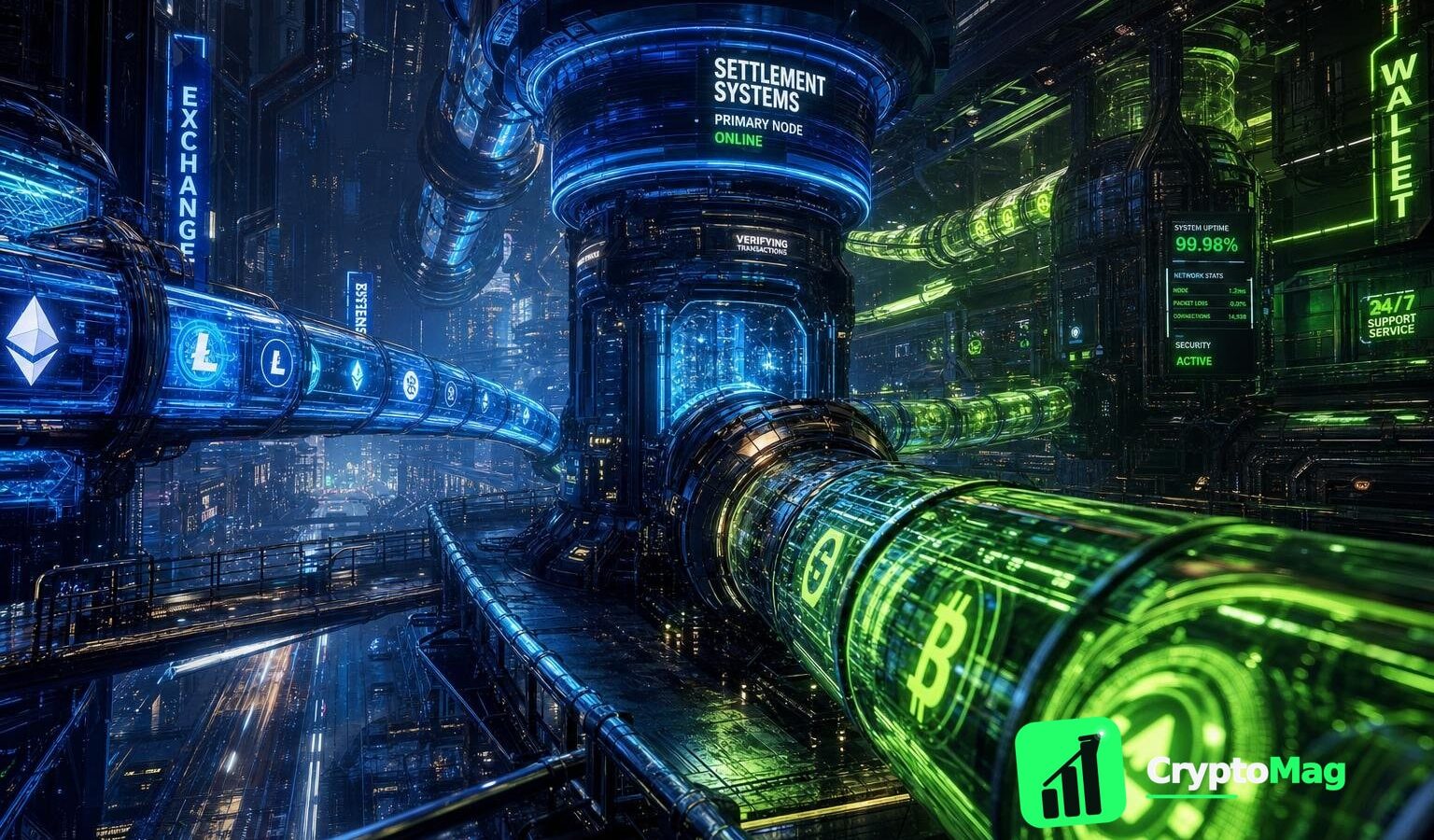
Jerald David, the CEO of Lynq, has emphasized the critical need for interoperable settlement rails within institutional finance. As financial firms increasingly adopt various forms of digital money, David argues that systems capable of moving cash and collateral 24/7 are essential for operational efficiency.
The Role of Diverse Digital Currencies
Institutions are likely to engage with several types of digital currencies, including stablecoins, tokenized deposits, central bank digital currencies (CBDCs), and traditional bank money. David pointed out that relying on separate payment systems can lead to capital being tied up in forms that do not meet immediate transaction needs.
Bank of England’s Trial and Broader Implications
The Bank of England is currently testing stablecoins alongside simulated digital pounds in payment systems to evaluate their interoperability. David highlighted that this experiment indicates how various digital money forms could coexist rather than one form replacing another. He stated, “I do not expect a single form of digital money to replace all others.”
Challenges of Fragmented Financial Systems
According to David, having multiple forms of money that operate on different settlement systems can restrict institutional capital, even if overall capital levels are adequate. He explained that funds might be available, but not in the right form or on the required payment rails at the crucial moment. This situation creates challenges for funding, collateral management, and settlement processes.
Continuous Settlement in a 24/7 Trading Environment
David noted that the need for continuous settlement is amplified by the fact that digital asset markets never close. The discrepancy between trading times and settlement hours can significantly impact institutions. For example, a margin call that occurs after traditional banking hours can leave institutions with available assets that cannot be transferred until banks reopen.
Moving Towards a Unified Digital Finance Framework
Lynq itself is addressing this mismatch with its broker-dealer-run settlement network, designed to meet the needs of institutional clients engaged in digital asset transactions. In addition, U.S. banks, including Wells Fargo, are exploring solutions to enable 24/7 settlement to enhance transactional efficiency.
The Future of Digital Money Solutions
David’s perspective that multiple types of digital money will coexist is corroborated by ongoing projects among major banks. As banks collaborate on a shared tokenized-deposit network, efforts are underway to maintain compliance standards that would allow digital currencies to function seamlessly across institutions, thereby leveraging blockchain technology without risking customer deposits.
Conclusion: A Collaborative Approach is Essential
The Bank of England’s Digital Pound Lab, involving various stakeholders like NOBO Finance and Polygon Labs, exemplifies a collaborative approach to testing digital currencies in a controlled environment. David concluded by reiterating that ensuring capital can flow seamlessly where and when needed is paramount for the growth and stability of digital finance.
Source: crypto.news