The Evolution of Privacy Coins in 2026: A Comparative Analysis
The Evolution of Privacy Coins in 2026
In 2026, the landscape of privacy coins is becoming increasingly complex as users evaluate various digital cash solutions, including private smart contract platforms and hybrid blockchain models. Privacy coins are no longer limited to mere transactions; they are adapting to tighter regulations and enhanced blockchain surveillance.
Defining Privacy Coins in 2026
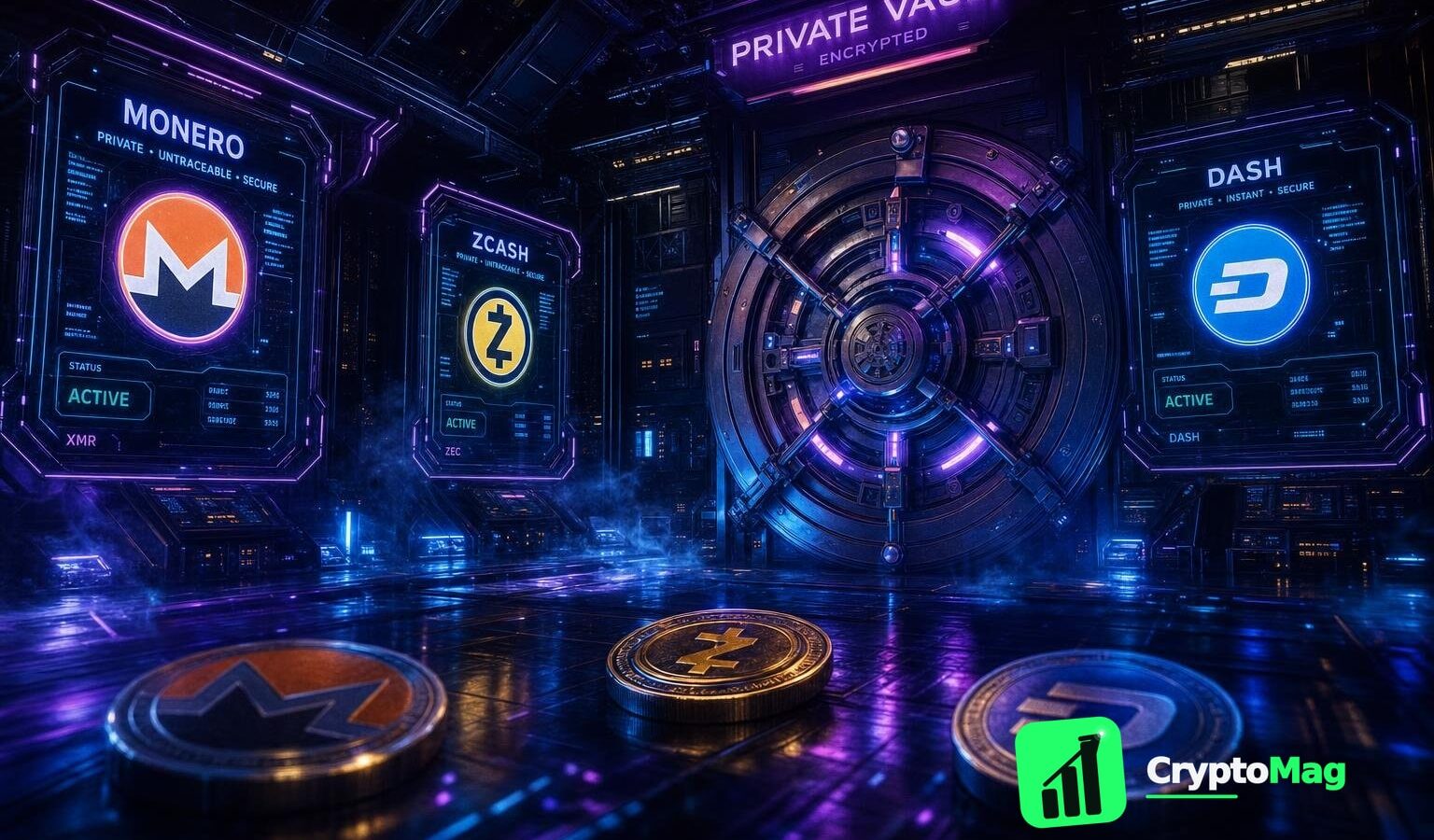
The term “privacy coins” encompasses a variety of projects focused on different aspects of privacy. Monero (XMR) and Zcash (ZEC) are examples of private digital cash networks that incorporate confidentiality at the transaction layer, albeit through distinct methods. Other projects, such as Railgun, Aztec, Secret Network, and Oasis, are developing privacy-focused smart contract platforms that cater to DeFi applications – all while maintaining user anonymity.
Leading Privacy Coins Compared
Monero (XMR)
Monero prioritizes privacy by mandating it in every transaction. Techniques like ring signatures, stealth addresses, and RingCT (Ring Confidential Transactions) ensure that sender identities, recipient addresses, and transaction amounts are concealed. As of January 14, 2026, Monero hit an all-time high of $798.91. However, by mid-2026, Monero faced delisting from many centralized exchanges due to growing regulatory pressure. This has limited user access, reflecting an ongoing market constraint rather than a flaw in its design.
Zcash (ZEC)
On the other hand, Zcash employs zk-SNARKs for its privacy features. Users can choose between shielded and transparent addresses, which allows for selective disclosure. As of June 2026, approximately 86.5% of Zcash transactions utilized shielded addresses. The network is undergoing changes with the Ironwood upgrade, activated on July 28, 2026, which improved its privacy architecture but also highlighted a vulnerability discovered in May 2026.
Dash (DASH)
Dash focuses primarily on transaction speed and offers optional privacy through its PrivateSend feature. Recently, Dash has incorporated Zcash’s technology into its privacy system. Despite this shift, it has seen a modest market reaction. Dash continues to appeal to users who prioritize quick settlements over mandatory privacy.
Challenges Faced by Privacy Coins
Three main trends currently reshaping the privacy coin market include:
- Powerful Analytics: Enhanced surveillance tools allow firms to track transaction behaviors, raising questions about the effectiveness of privacy.
- Expanded Use Cases: Demand for confidential transactions in sectors like supply-chain management and institutional finance is on the rise.
- Increasing Regulation: Upcoming regulations, particularly in the EU, are set to impact privacy coins significantly. The EU Regulation (EU) 2024/1624 will restrict regulated platforms from offering services related to anonymity.
Evaluating Privacy Coins
When assessing privacy assets, key criteria include:
- Privacy Model: Is privacy mandatory or optional?
- Actual Shielded Usage: What percentage of transactions are executed in private mode?
- Liquidity: Where is the asset traded and what are the daily volumes?
- Exchange Availability: Which platforms support the asset?
- Regulatory Outlook: How is the asset positioned against imminent regulatory changes?
- Use Case Fit: Does the coin meet specific user needs?
Future Scenarios for Privacy Coins
The future landscape for privacy coins could evolve in several ways, including:
- Base Case: Continued specialization in the privacy market with peer-to-peer activities growing alongside regulatory pressures.
- Optimistic Case: Broader acceptance of privacy features in regulated finance, potentially leading to successful institutional products like a Zcash ETF.
- Stress Case: Regulatory constraints lead to limited access and liquidity for privacy coins.
Conclusion
As the regulatory and technological landscape continues to transform, the future of privacy coins depends on various factors, including user behavior and regulatory responses across jurisdictions. For individual users, the prioritization of access versus privacy has become a critical consideration. Ultimately, the evolution of these assets reveals that their value lies not only in maintaining secrecy but also in how they adapt in a world increasingly focused on scrutiny.
Source: crypto.news

XMR / ZAR
R7,945.69
+5.68% 24h
- 24h High
- R8,458.15
- 24h Low
- R7,367.34
- Market Cap
- R151.34B
- Volume 24H
- R3.52B
7-day price
Chart data unavailable.
Powered By