

Kenya Adopts Avalanche Blockchain for Student Certificate Verification
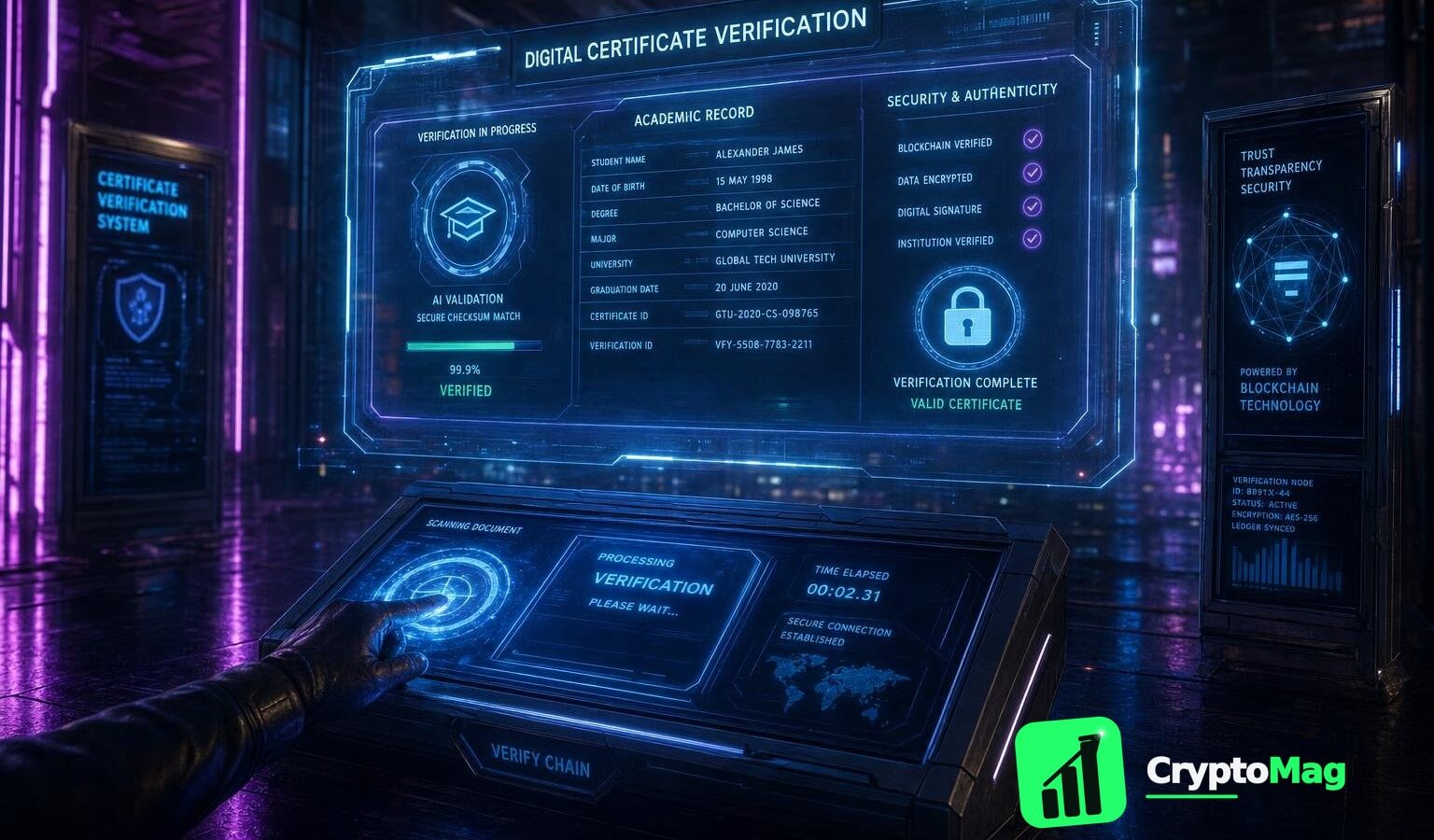
Kenya Implements Avalanche Blockchain for Efficient Certificate Verification
In a significant advancement for academic validation, Kenya has anchored more than 15 million academic records to the Avalanche C-Chain, transitioning from slow, paper-based certificate checks to a streamlined electronic verification system. This initiative is spearheaded by the Kenya National Examinations Council (KNEC), which aims to enhance the process of certificate verification for students and employers alike.
Transition to Digital Verification
The new platform, officially launched through a local technology provider, covers historical examination records dating back to 1989. It includes nearly 1 million certificates from the 2025 Kenya Certificate of Secondary Education (KCSE), which are now exclusively available through the electronic platform.
KNEC’s CEO, David Njengere, stated,
“Candidates no longer have to rely solely on physical certificates. Instead, they can securely access, download and verify their KCSE certificates online, providing a faster, more reliable and more convenient way of managing academic credentials in the digital age.”
Future Expansion Plans
KNEC plans to broaden the system’s scope to encompass approximately 35 million verifiable records, including primary and secondary qualifications, advanced diplomas, and government teacher-training certifications. This expansive rollout is set to bolster the efficiency of academic verification significantly.
Reduction of Verification Times
Previously, academic verification in Kenya relied heavily on manual requests and physical files, which could take a month for individual checks and up to six months for larger requests from recruiters. The Avalanche-based system drastically reduces this process to mere seconds, according to Ava Labs. By anchoring certification data on the Avalanche network, KNEC creates a tamper-resistant reference for authorized users to verify against.
Addressing Security Concerns
The introduction of this new electronic certificate verification system is also aimed at minimizing certificate forgery and reducing reliance on fraudulent verification websites. However, the specifics regarding which data fields are stored directly on-chain, the protection of personal information, and the operational costs of the platform have not been disclosed.
Broader Implications for Blockchain in Kenya
This initiative marks a growing trend of utilizing blockchain technology within government systems. Aside from Kenya’s academic records, similar blockchain implementations have been seen in the United States, such as California’s DMV digitizing millions of vehicle titles.
Despite the promising rollout, the announcement had little immediate effect on Avalanche’s native token, AVAX, which was trading at approximately $6.54 with a market capitalization of around $2.82 billion at the time of reporting. This suggests that the immediate market reaction to the announcement may not have generated lasting momentum.
Coping with Cybersecurity Risks
As Kenya ventures deeper into this digital expansion, challenges remain, particularly concerning cybersecurity threats. Recent incidents, such as the temporary defacement of President William Ruto’s official website by hackers, underline the necessity for robust security measures as KNEC navigate the complexities of launching this digital certificate system.
As KNEC looks to expand its platform while safeguarding student data, the effectiveness of this initiative will hinge on maintaining access and avoiding new vulnerabilities within the digital ecosystem.
Source: crypto.news

AVAX / ZAR
R137.62
-1.23% 24h
- 24h High
- —
- 24h Low
- —
7-day price
Chart data unavailable.
Powered By