

Russia Bans Crypto Mining in Moscow Starting August 15
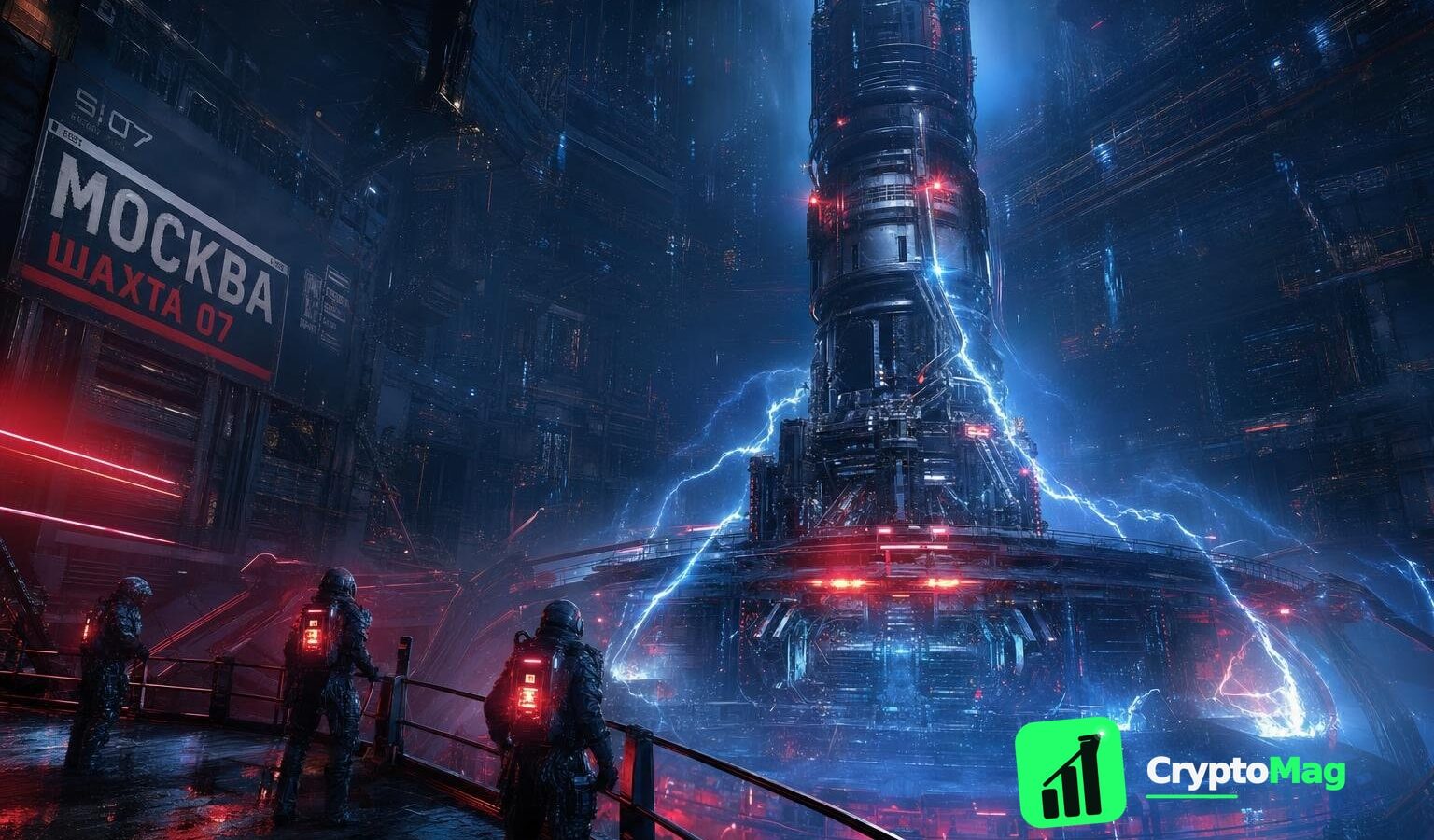
New Crypto Mining Ban in Moscow
The Russian government has announced an extension of its crypto mining ban to encompass Moscow, the Moscow Region, and specific territories within the Kursk Region, effective August 15, 2026. This decision follows the approval of Government Resolution No. 936, which prohibits cryptocurrency mining activities until December 31, 2032, citing concerns over grid strain and power capacity.
Details of the Ban
Under the new restrictions, mining and participation in mining pools will be illegal across Moscow and the designated areas of the Moscow Region, as well as nine municipal districts in the Kursk Region. Among these districts are Belovsky, Bolshesoldatsky, Glushkovsky, Korenevsky, Lgovsky, Rylsky, Sudzhansky, Khomutovsky, and the city of Lgov.
Reasons for the Ban
Authorities have indicated that the expansion of the ban is aimed at preventing a potential power capacity shortage due to the energy-intensive nature of mining operations. The Moscow power system currently sees a demand peak of approximately one gigawatt from crypto mining activities, a figure that local energy officials are monitoring closely.
The Energy Ministry highlighted the risks associated with allowing mining operations without restrictions, warning that they could significantly burden regional energy grids. Additionally, the existing energy infrastructure in these areas is projected to reach up to 3.6 gigawatts by 2032, accounting for 17% of the maximum load of the grid.
Implementation Timeline
Mining operators in the newly restricted areas must cease their operations or relocate their equipment by the August 15 deadline, which falls 15 days after the official publication of the decree on July 31. This ban applies to both direct mining activities and participation in mining pools.
Impact on Cryptocurrency Market
While the ban is set to last until the end of 2032, the exact impact on the global cryptocurrency market, particularly Bitcoin’s hash rate, remains uncertain as no specific estimates were provided regarding the affected mining capacities or required relocations. The next important development will be the enforcement of the restrictions, as authorities outline any further regulations for compliance.
Source: crypto.news

BTC / ZAR
R1,408,627.71
-0.44% 24h
- 24h High
- R1,437,479.50
- 24h Low
- R1,393,588.25
- Market Cap
- R28.27T
- Volume 24H
- R1.14T
7-day price
Powered By