
The Shift in Play-to-Earn Models: Emphasizing Gameplay Over Rewards
The Shift in Play-to-Earn Models: Emphasizing Gameplay Over Rewards
The landscape of play-to-earn (P2E) gaming is undergoing a significant transformation as developers move beyond merely rewarding players with cryptocurrency. The recent shift prioritizes sustainable game economies, engaging gameplay, and strong player retention strategies.
Transforming Expectations in P2E Gaming
Since the cryptocurrency boom of 2021-2022, P2E games have surged in popularity, attracting players with the promise of earning tangible rewards through gameplay. While the integration of NFTs and crypto tokens has been a major selling point, many games struggled with sustainability as their appeal waned with fluctuating interest in the crypto markets. A solely profit-driven model proved insufficient for player retention as interest fell.
Shifting Towards Gameplay-First Models
In response, developers are rethinking their strategies, emphasizing entertaining game mechanics over purely financial incentives. For instance, RollerCoin, a browser-based mining simulator, encourages ongoing participation through mini-games and virtual mining projects, focusing on consistent engagement rather than immediate financial rewards. This pivot mirrors trends in traditional gaming, where compelling gameplay has always been central to player experience.
Incorporating Traditional Gaming Mechanics
Modern P2E games are increasingly borrowing from established gaming conventions rather than the earlier crypto-centric models. Features common in conventional gaming – such as battle passes, daily missions, achievement systems, ranking battles, and cosmetic customization – are being integrated into blockchain games. This evolution caters to changing player expectations, allowing for seamless incorporation of blockchain features that enhance rather than overshadow the gameplay experience.
Key Features of Successful P2E Games
Successful P2E games now share several common attributes:
- Gameplay takes precedence over financial rewards.
- There is a well-balanced in-game economy.
- New players can engage without a significant upfront investment.
- Progression is achieved through consistent play, not speculative investment.
- Developer commitment to maintaining player interest.
While these factors do not guarantee success, they contribute to a more sustainable gaming experience than many of the early P2E initiatives.
The Rise of Mining Simulators
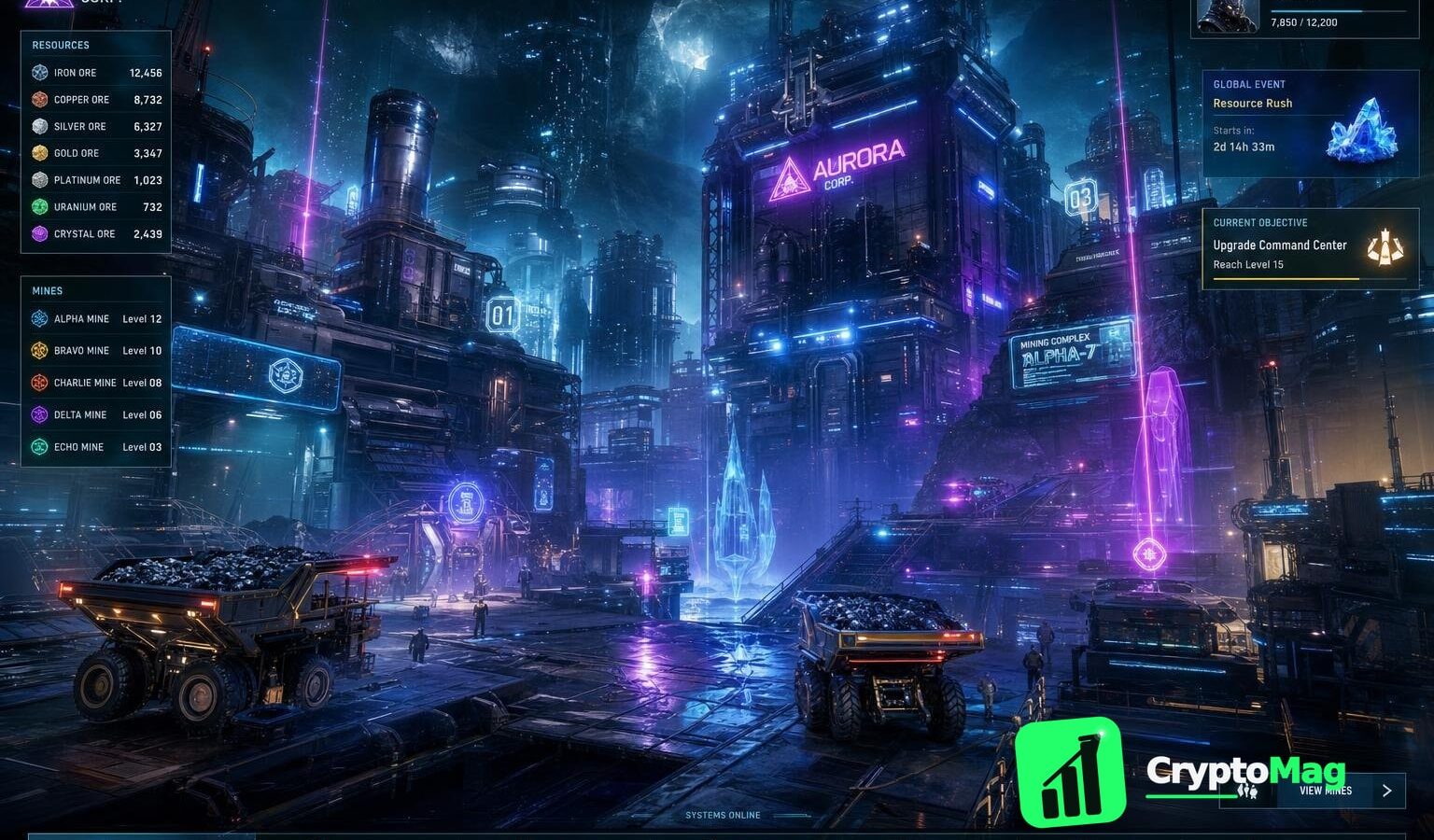
Among the emerging genres, mining simulators have gained traction. Players establish and manage their own mines, earning rewards through upgrades rather than investing in expensive NFTs. These games are designed for enthusiasts of management and idle gaming, presenting crypto concepts in an accessible format. As a result, they can remain engaging even during downturns in the cryptocurrency market.
Regulatory Considerations for Future P2E Development
As the P2E gaming sector evolves, regulatory scrutiny is becoming increasingly significant. Various governmental bodies are taking an interest in digital currencies, token issuance, and in-game economies that involve real monetary value. Developers must balance innovative game design with compliance, which may involve implementing KYC requirements, regional restrictions, and transparent token practices. Although regulations pose challenges, they can enhance trust within the gaming community and foster partnerships with institutional entities.
Looking Forward
The play-to-earn gaming industry has seen substantial growth and change in a relatively short timeframe. From focusing primarily on NFTs and rapid monetary gains to prioritizing engaging gameplay, the sector is actively experimenting with new models. Ultimately, player enjoyment is key; while rewards can enrich the experience, they are no longer sufficient as the primary motivation for participation.
Source: crypto.news