

HTX, Associated with Justin Sun, Added to EU Sanctions List for Alleged Russian Connections
HTX Connected to Justin Sun Faces EU Sanctions
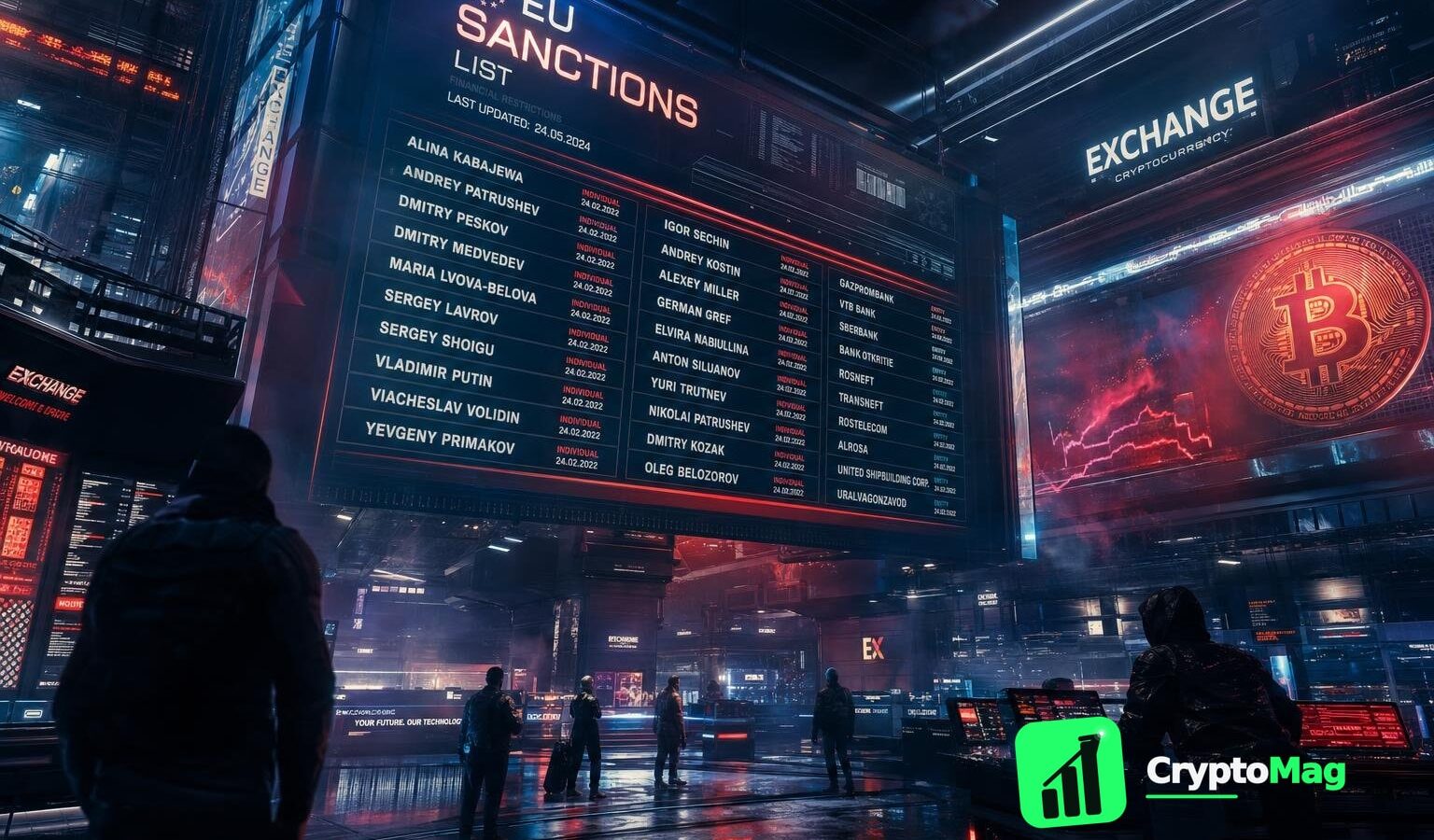
The European Union has officially placed HTX, a cryptocurrency exchange linked to Justin Sun, on its sanctions list due to allegations of assisting Russian users in evading financial penalties. This decision affects 18 crypto companies as part of the EU’s ongoing efforts to regulate financial activities related to Russia amidst the ongoing war in Ukraine.
Details of the Sanction
The sanctions package issued by the EU includes transaction restrictions targeting HTX, previously known as Huobi, but does not involve a freeze of assets. This action comes after the EU adopted new restrictions aimed at addressing the use of financial services that facilitate sanctions evasions by Russia.
Background on HTX
HTX was established in China in 2013 and later acquired by Justin Sun in 2022. Although Sun has a significant role in the company, it describes him primarily as an adviser. The EU’s sanctions specifically link these crypto firms to networks purportedly aiding Russia’s financial maneuvers.
Impact of the Sanctions
According to a report by Reuters, the measure places HTX among multiple crypto businesses subject to transaction controls, reinforcing the EU’s position as it expands oversight on how crypto services are utilized to bypass sanctions.
Responses and Future Implications
HTX has not yet publicly responded to the EU sanctions following previous actions taken against the platform by the UK. In May, British authorities targeted HTX’s parent company, Huobi Global S.A., for similar allegations. The UK’s sanctions included an asset freeze and restrictions preventing local companies from engaging with entities linked to HTX.
A spokesperson for HTX commented on the UK sanctions, asserting that regulatory compliance is a priority. However, the exchange has yet to issue a statement regarding the more recent EU measures.
Broader Sanctions Environment
This new sanctions list is part of a larger package that includes controls on banks and financial institutions linked to Russia. The Council of the European Union plans to further restrict participation of Belarusian nationals in EU-regulated crypto services, effective August 25. This involves prohibiting them from owning or managing crypto firms regulated under the Markets in Crypto-Assets framework.
The complexity of these sanctions reflects the EU’s intensified scrutiny over crypto platforms and their potential roles in geopolitical financial strategies, particularly regarding Russia.
Source: crypto.news